December is recognized as Gift of Sight Month & it not only brings celebration time with family, but it is also a vital reminder about eye health. It is a time dedicated to increasing awareness about vision care and the steps needed to protect our eyesight.
Vision plays an important role in our daily activities. However, we often overlook it until it becomes a serious issue. December, which is recognized as Gift of Sight Month, encourages people to pause from their hectic lifestyles and reflect on the value of eye health, how it influences daily activities, and why regular eye care is essential at every stage of life.
Eye health deserves year-round attention, but December gives us an opportunity to focus on prevention and awareness. This month, we raise awareness of common vision issues, guide people to schedule timely eye examinations, and encourage them to adopt simple eye-care habits to help prevent long-term vision problems from developing or to be managed early.
What is Gift of Sight Month?
Gift of Sight Month fits well with the holiday season, when people tend to reflect and focus on their well-being. Having 6/6 vision is a blessing in disguise, but many of us take good vision for granted; it takes regular care to keep our eyes healthy. This month reminds us that protecting our eyesight is an ongoing effort and an important part of staying healthy.
Gift of Sight Month aligns with the holiday season, a time when people reflect on their health and well-being. It’s easy to forget how important good vision is, but caring for our eyes takes regular effort. This observance reminds us that taking care of our eyesight is a key part of staying healthy.
Eye Injuries & How Traumatic Cataract Plays a Major Role
Our eyes are extremely sensitive, yet they are exposed to danger in our day-to-day lives. From minor household accidents to serious road or workplace injuries, eye trauma is a common cause of long-term vision problems. While pain or redness after an injury may reduce over time, internal damage can quietly progress. One of the most important and often ignored outcomes of eye injury is traumatic cataract, a serious form of cataract eye disease that can affect vision at any age.
Common Causes of Eye Injuries
Eye injuries can occur due to
- Blunt force
- Sharp Objects
- Chemical exposure
- Burns or accidents
- During sports activities and industrial work
The above causes of eye-based injuries can affect the eye’s internal structures, and in many cases, the outer part of the eye heals, but the damage inside persists, eventually leading to cataract formation.
Understanding Traumatic Cataracts
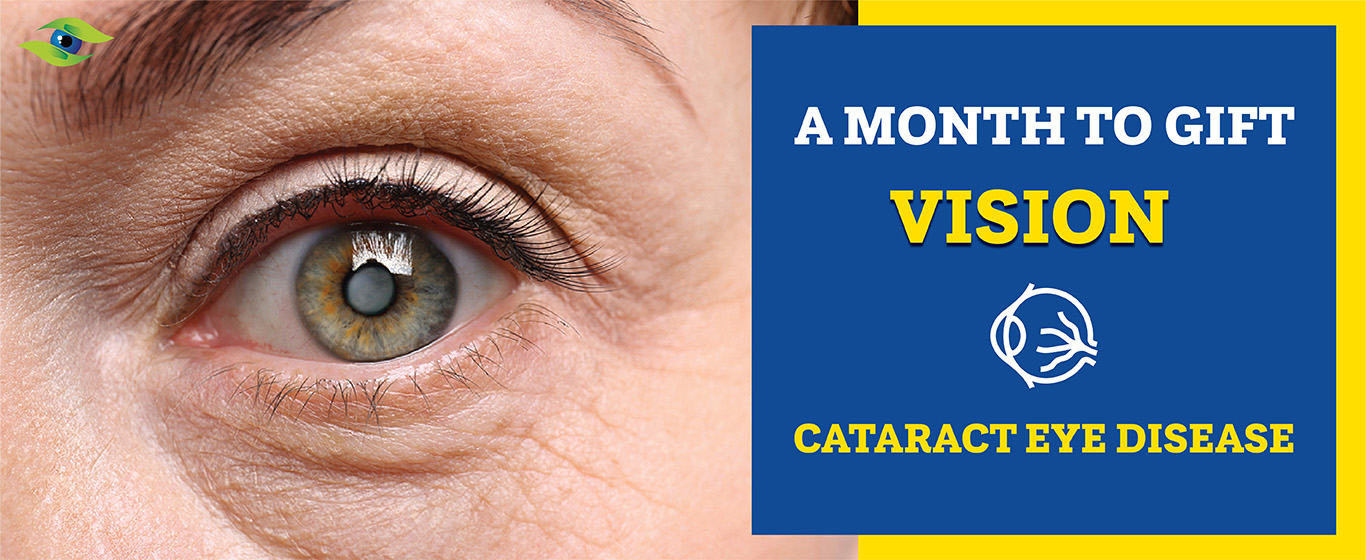
A cataract develops when the natural lens of the eye becomes cloudy and loses its transparency. When this clouding happens due to an injury, it is known as a traumatic cataract. Age-related cataracts develop as the protein layer in the eye slowly degenerates over the years; traumatic cataracts may appear immediately after injury or develop gradually over months or even years. This delayed onset often leaves people unaware of the true cause of their vision loss.
What Causes Eye Cataracts?
Many people commonly ask, What causes eye cataracts? While aging is a major factor, cataracts can also develop due to eye injuries, long-term inflammation, excessive radiation exposure, certain medications, and metabolic disorders. Trauma directly damages the lens fibers or capsule, disrupting their normal structure and leading to cloudiness. In children, cataracts can also be present at birth, known as Congenital Cataract, which may result from genetic factors, infections during pregnancy, or developmental issues.
Symptoms and Impact on Vision
Traumatic cataract plays a major role in vision impairment because it often affects younger individuals and is frequently associated with other eye damage. Symptoms may include blurred or cloudy vision, glare from lights, difficulty seeing at night, frequent changes in vision, or a sudden drop in eyesight after an injury. In children, it may affect normal visual development and learning if not treated early.
Cataract Cure Without Surgery: Is It Possible?
Many patients look for cataract cure without surgery, especially in the early stages or when surgery is not immediately required. While advanced cataracts usually need surgical intervention, early-stage cataract management focuses on slowing progression, supporting eye health, and improving quality of vision. Lifestyle correction, nutritional support, and traditional medical approaches are often explored to maintain eye clarity for as long as possible. Early diagnosis is key when considering non-surgical management options.
What Are the Disadvantages of Cataract Surgery?
At the same time, it is important to understand what are the disadvantages of cataract surgery, particularly in cases of traumatic cataract. Surgery, while effective, may carry risks such as infection, inflammation, pressure changes inside the eye, or complications related to pre-existing eye damage caused by trauma. In traumatic cases, the eye may already be weakened, making surgical planning more complex. This is why early prevention, regular eye check-ups, and timely care after injury are crucial.
Importance of Early Detection in Congenital and Traumatic Cataract
Congenital Cataract and traumatic cataract both highlight the importance of early eye examinations. In children, delayed diagnosis can permanently affect vision development, while in adults, untreated cataract eye disease can interfere with daily life, work, and safety. Eye injuries should never be taken lightly, even if vision seems normal initially.
Preventing Eye Injuries and Cataract Development
Protecting the eyes is always better than treating damage later. Wearing protective eyewear during risky activities, avoiding sharp or chemical exposure, supervising children, and seeking immediate medical attention after any eye injury can significantly reduce the risk of traumatic cataract.
Conclusion
Eye injuries are a major contributor to cataract eye disease, and traumatic cataract remains one of the most serious long-term consequences. Understanding what causes eye cataract, recognizing early symptoms, and exploring timely care options—including cataract cure without surgery in early stages—can help preserve vision. Whether it is traumatic cataract or Congenital Cataract, early awareness and proper eye care play a vital role in maintaining lifelong eye health.