
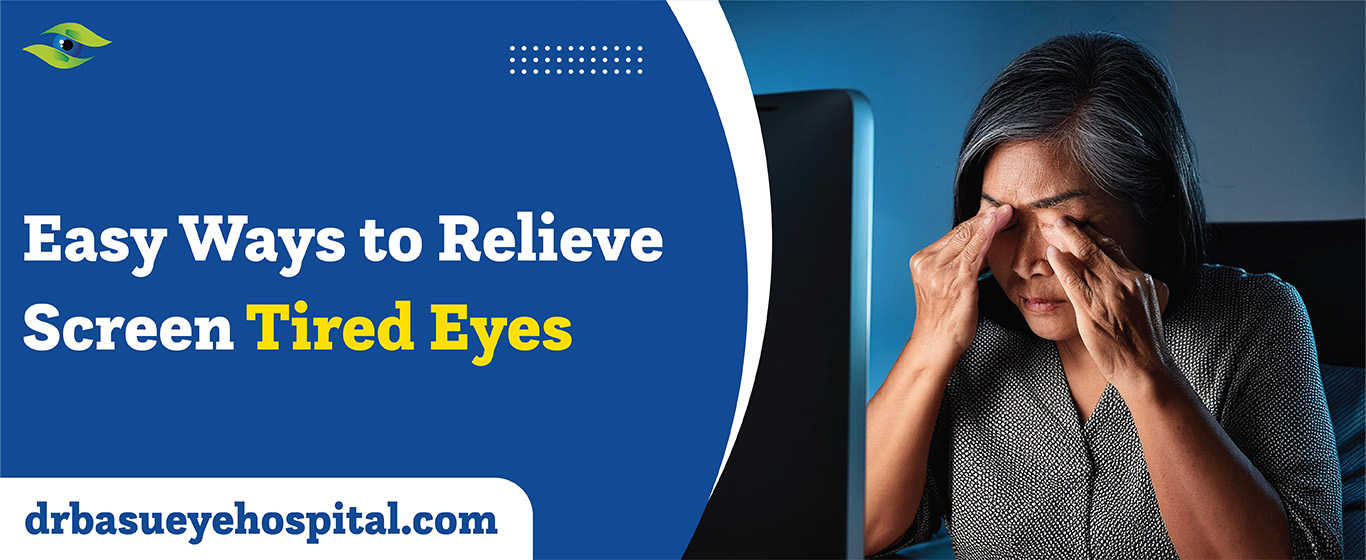
Spending hours in front of screens? You’re not alone. Over 2 billion people worldwide suffer from digital eye strain — and most don’t even realize it. In today’s digital world, our eyes are constantly exposed to screens—mobiles, laptops, tablets, and televisions. Whether it’s office work, online classes, or endless scrolling, prolonged screen time has led to a rapidly rising eye problem known as digital eye strain. Digital eye strain is not a disease, but a group of eye and vision-related symptoms caused by excessive use of digital devices. If ignored, it can significantly affect eye comfort, productivity, and overall quality of life.
What Is Digital Eye Strain?
Digital Eye Strain, also called Computer Vision Syndrome. The strain also refers to visual problems that start after prolonged use of digital screens. When we stare at screens for long hours, our eyes work harder than usual, leading to fatigue and irritation. Digital screens have glare, pixelation, and continuous focusing demands, which strain the eye muscles.
Ayurvedic Perspective on Digital Eye Strain
Ayurveda, India’s 5,000-year-old medical system, offers a uniquely holistic lens for understanding eye health — one that’s remarkably relevant to our screen-saturated era.
The Link Between Drishti and Alochaka Pitta
According to Ayurveda, our ability to see clearly depends on Alochaka Pitta, a specific form of Pitta dosha that functions in the eyes. Alochak pitta helps us understand the right colours and different shapes around us. With continuous access to digital screens for extended periods, our eyes tend to produce excess heat and strain. This increase in internal heat disturbs Pitta balance and may give rise to symptoms such as:
- Red, inflamed eyes (indicative of Pitta imbalance)
- Dry or gritty sensation (suggesting Vata disruption)
- A feeling of heaviness or sticky discharge (seen in more stubborn Kapha imbalances)
Ayurveda also emphasizes that eye well-being isn’t isolated to the eyes alone. It is closely connected to Ranjaka Pitta — the aspect of digestive fire linked with the liver and blood purification — and Majja Dhatu, the tissue representing the nervous system. Because the optic nerve is directly connected to our nervous system, too much screen use doesn’t just tire the eyes — it also strains the nerves. So if your eyes feel constantly tired or weak, it may mean your nervous system is also exhausted. In Ayurveda, this is considered a sign of increased Vata imbalance.
Digital Eye Strain Symptoms
The symptoms of digital eye strain can range from mild discomfort to persistent eye problems & can cause aches and pains behind your eyes. It can make your neck, shoulders and back feel stiff and sore. Common digital eye strain symptoms include:
- Tiredness and heaviness in the eyes
- Pain in the forehead or temples
- Burning or itching sensation in the eyes
- Dry eyes or excessive watering
- Blurred or double vision
- Neck, shoulder, and back pain
- Difficulty focusing after screen use
- Sensitivity to light
If these symptoms occur regularly after screen exposure, it is a clear sign of digital eye strain.
Causes of Digital Eye Strain
Several factors contribute to digital eye strain, including:
- Prolonged screen time without any breaks
- Consistent staring and reduced blinking
- Poor lighting or excessive screen glare
- Not maintaining the right screen distance or posture.
- Letters with a small font size and high screen brightness
- Uncorrected vision problems
- Excessive use of mobile phones
Modern lifestyles make these factors almost unavoidable, increasing the prevalence of digital eye strain among all age groups.
Digital Eye Strain Treatment
Effective digital eye strain treatment focuses on reducing eye load, improving visual comfort, and preventing long-term damage.
1. Follow the 20-20-20 Rule
Every 20 minutes, look at something 20 feet away for at least 20 seconds. This relaxes the eye muscles and reduces strain.
2. Blink More Often
When we stare at screens for long hours, we forget to blink. Blinking keeps the eyes naturally moist and prevents dryness, burning, and irritation. Make a conscious effort to blink more while using digital devices.
3.Adjust Your Screen Settings
Your screen should be comfortable for your eyes, not harsh or straining.
- Lower the screen brightness so it matches the room lighting
- Increase text size to avoid squinting
- Use anti-glare screens or blue-light filters to reduce eye stress
4. Maintain the Right Screen Distance
Sitting too close to the screen forces your eyes to work harder.
- Computer screens should be 20–24 inches away
- Mobile phones should be held at least 14–16 inches away
- Keep the screen slightly below eye level for better comfort
5. Correct Vision Problems on Time
If you already have weak eyesight and are not using proper glasses, digital eye strain can worsen quickly. Regular eye check-ups help detect refractive errors early and reduce unnecessary eye stress.
Digital Eye Strain Cure: Is It Possible?
There is no quick or instant cure for digital eye strain, but the good news is that it can be controlled and prevented with small daily habits.
By sitting correctly in front of screens, maintaining the right distance, adjusting brightness, blinking more often, and taking regular breaks, eye strain can be reduced significantly. Taking care of your eyes early helps keep them comfortable and healthy, even with long hours of mobile and computer use.
Digital Eye Strain Treatment in Ayurveda
According to Ayurveda, the eyes are sensitive to heat. Too much screen time increases heat and dryness in the eyes, which leads to tiredness, burning, watering, and strain.
Ayurveda focuses on naturally cooling, nourishing, and relaxing the eyes. Common Ayurvedic treatments include:
- Netra Tarpana – A special therapy that deeply nourishes and relaxes tired eyes
- Netra Abhyanga – Gentle oil massage around the eyes to reduce strain and dryness
- Shirodhara – Helps calm the mind and reduces eye fatigue caused by stress
- Herbal eye medicines – Used to cool, lubricate, and soothe the eyes
- Balanced diet – Helps reduce excess heat and dryness in the body
Ayurvedic treatment does not just give temporary relief; it helps strengthen the eyes naturally over time.
Home Remedies for Digital Eye Strain
Along with treatment, simple daily habits at home can greatly reduce eye strain:
- Wash your eyes with clean, cool water
- Use rose water drops only if advised by a doctor
- Practice palming to relax eye muscles
- Get enough sleep so your eyes can recover
- Avoid using mobile phones or laptops just before bedtime
How to Prevent Digital Eye Strain?
Prevention is always better than treatment. You can protect your eyes by:
- Taking regular breaks while using screens
- Sitting in the correct posture
- Keeping screens clean and free from glare
- Drinking enough water throughout the day
- Avoiding excessive mobile use in dark rooms
When to See an Eye Specialist?
You should consult an eye doctor if:
- Eye strain symptoms do not improve even after lifestyle changes
- You experience frequent headaches
- You notice blurred vision, redness, or constant discomfort
- Vision becomes unclear
- Eye pain increases
Early diagnosis helps rule out underlying eye conditions.
Conclusion
Digital eye strain has become a modern-day eye health challenge, but it is completely manageable. By recognizing digital eye strain symptoms early and following proper digital eye strain treatment, you can protect your vision and eye comfort. Combining modern eye care practices with Ayurvedic therapies offers a holistic approach to long-term eye health. Your eyes deserve rest—give them the care they need in this
You Can Also Read For More Posts
What does 6/6 and 6/9 Vision Means: Causes, Symptoms & Treatment Options
Motiyabind/Cataract – Symptoms, Treatment in Delhi NCR
To Know More, Talk to our Consultant. Dial +91-8235808080
FAQ
Digital eye strain happens when we use mobile phones, laptops, or desktop screens for long hours without giving our eyes proper rest. Continuous screen use reduces blinking, which leads to dryness and irritation. Poor lighting, screen glare, incorrect brightness or contrast settings, sitting too close to the screen, and maintaining poor posture can all add extra stress to the eyes. Not wearing the correct glasses (if needed) and existing dry eye problems can also worsen symptoms. When we keep focusing on a screen for too long, the eye muscles become tired—just like body muscles after heavy physical work.
One of the simplest and most effective solutions for digital eye strain is the 20-20-20 rule: every 20 minutes, look at something 20 feet away for at least 20 seconds. This relaxes the eye muscles and reduces strain. Blinking more often, using artificial tears if your eyes feel dry, adjusting screen brightness, keeping the screen at eye level, and maintaining a proper distance of about 20–24 inches from the screen are also very helpful. Anti-glare glasses may benefit some people, and reducing overall screen time whenever possible makes a big difference. If the problem becomes frequent or severe, a proper eye check-up is important.
Mild digital eye strain usually improves within a few hours after taking rest or by the next day if screen use is reduced. However, if symptoms like headache, dryness, blurred vision, or eye discomfort continue for many days, it could indicate an underlying issue such as dry eye syndrome, incorrect glasses power, or a poor workstation setup. In such cases, a detailed eye examination is recommended to identify and correct the root cause.
Digital eye strain is extremely common in today’s screen-based lifestyle. Studies suggest that around 50% to 90% of people who regularly use digital screens experience some symptoms. It is especially common among students, office workers, IT professionals, and individuals who use smartphones for long hours daily. As screen time continues to increase across all age groups, the number of affected people is also rising each year.
Doctors usually begin by checking your vision and prescribing the correct glasses if needed. They may recommend anti-glare or blue light filter lenses and prescribe lubricating eye drops to relieve dryness. Guidance on proper screen ergonomics, posture correction, blinking habits, and simple eye exercises is often provided. In most cases, digital eye strain can be effectively managed with simple lifestyle adjustments and proper eye care advice.


