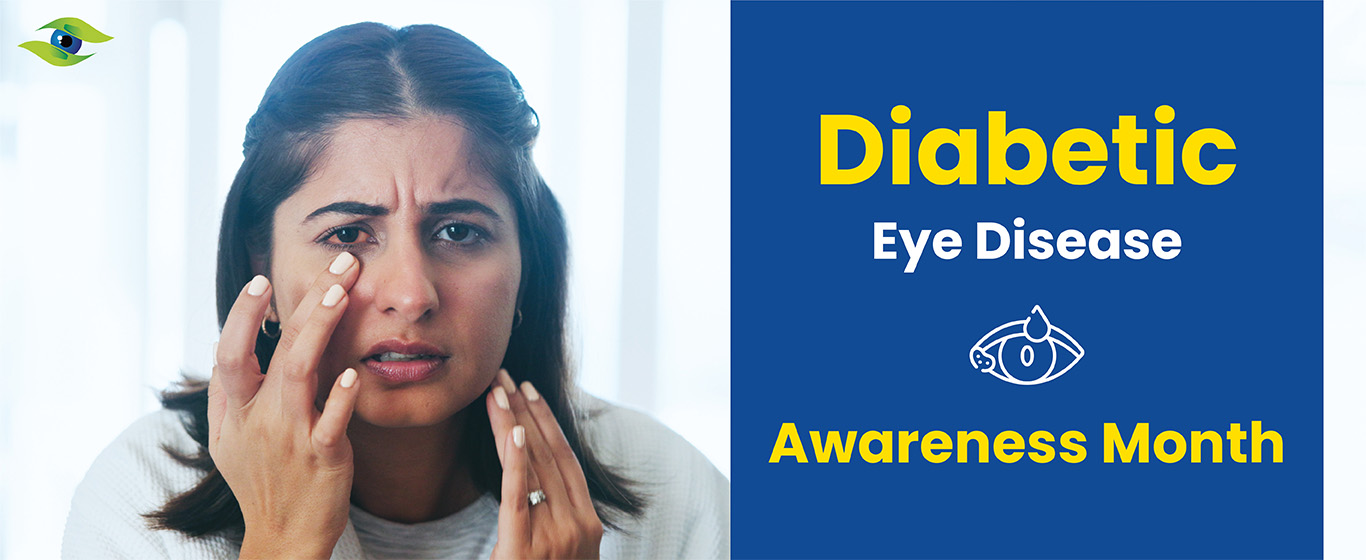
November is celebrated as Diabetic Eye Disease Awareness Month and our focus is on spreading awareness about how to prevent diabetes-related vision loss and strengthening systems and programs that improve access to eye care across India. By doing so, we can help millions of people with diabetes protect their eyesight and prevent avoidable blindness. Raising awareness is very important and we, being an Ayurvedic Centre, feel the same responsibility .
In Ayurveda, diabetic retinopathy is seen as an eye problem that happens because of long-term diabetes. When diabetes lasts for many years, it begins to affect the tiny blood vessels in the eyes and slowly damages the retina (the light-sensitive part of the eye). Ayurveda calls this problem Madhumehajanya Timira or Drishtigata Roga.
How does Ayurveda define diabetic eye disease ?
Ayurveda explains diabetic eye disease (Madhumehajanya Timir) as a condition in which all three doshas — Vata, Pitta, and Kapha — become disturbed, and the body’s tissues and natural strength (Ojas) become weak. The Blood (Rakta) and all seven body tissues (Dhatus) get affected. Different layers of the eye also become damaged as the disease worsens.
Two other important things happen:
- Avarana – blockage in the normal flow of energy and blood
- Dhatu Kshaya – slow loss or weakening of body tissues
Both of these occur when diabetes remains high for a long time without control.
How does the Diabetic Retinopathy problem start?
According to Ayurveda, the issue begins when we adopt an unhealthy lifestyle — poor diet, lack of exercise, stress, and irregular habits. This weakens our digestive fire (Agni), causing toxins (Ama) to build up in the body. These toxins travel through the bloodstream and affect the small blood vessels in the eye, slowly damaging the retina.
What are the different diabetic retinopathy stages as per ayurveda ?
Ayurveda explains diabetic retinopathy (Madhumehajanya Timir) as a slow, progressive condition where all three doshas—Kapha, Pitta, and Vata—affect the eye at different diabetic retinopathy stages.
In the early stage, Kapha becomes dominant due to long-standing diabetes, causing blockage in the channels, accumulation of toxins (Ama), and early retinal swelling, which leads to mild blurring and heaviness in the eyes.
As the disease progresses, Pitta takes over in the middle stage, creating heat and inflammation in the eyes. This affects the blood tissue (Rakta), weakens the tiny blood vessels, and leads to leakage, bleeding spots, sensitivity to light, and faster vision deterioration.
In the advanced stage, Vata becomes aggravated, resulting in dryness, poor circulation, and degeneration of eye tissues (Dhatu Kshaya). Blockages in Prana and Vyana Vayu further affect nerve and blood supply, increasing the risk of severe
Can Diabetic Retinopathy be Reversed with Ayurveda?
Ayurveda cannot guarantee a full reversal of diabetic retinopathy, especially in advanced stages, but it can play a significant role in slowing the disease, reducing swelling, improving blood flow to the retina, and protecting the remaining vision. In early or moderate stages, many patients experience better eye circulation, reduced retinal swelling, clearer vision, relief from heaviness, dryness, and strain in the eyes, along with a noticeable slowing of disease progression.
Ayurvedic treatments work by naturally controlling blood sugar, reducing inflammation, and clearing harmful toxins (Ama) from the body. They help strengthen the tiny blood vessels in the eyes, deeply nourish the eye tissues, and improve Ojas, which is the body’s natural immunity and vitality. Together, these actions support healthier eyes and slow down damage caused by diabetic retinopathy.
What happens during Diabetic Retinopathy?
There are various aspects observed during Diabetic retinopathy which includes
Damage to tissues (Dhatus)
Long-term diabetes affects three primary body tissues:
Blood (Rakta): Weakens small blood vessels, leading to leakage and microbleeding.
Muscle (Mamsa): Affects the support cells of the blood vessels.
Fat (Meda): Weakens the natural barrier of the retina, leading to swelling.
Toxins and oxidative stress
When the digestive fire weakens, the body produces toxins (Ama).
Modern science also says that diabetes produces harmful chemicals called free radicals and AGEs, which damage the retina — a concept similar to the Ayurvedic concept of Ama.
Weakening of Ojas (body’s strength)
Long-term diabetes gradually reduces Ojas, the body’s natural energy, immunity, and vitality.
When Ojas becomes low, the eyes lose strength, and vision becomes weak.
In Ayurveda, diabetes (called Prameha) is considered a severe disease. Our ancient Ayurvedic texts, such as the Charaka Samhita, list it among the eight major illnesses. This shows how important and dangerous it can be if not controlled. People with diabetes have a much higher chance of becoming blind, almost 20 to 25 times more than people who don’t have diabetes.
List of Diabetic Diseases Related to Eyes
Today, many people with diabetes also develop eye problems like:
- Diabetic Retinopathy (about 34 out of 100 people)
- Proliferative Diabetic Retinopathy (7 out of 100 people)
- Diabetic Macular Edema (about 7 out of 100 people)
- Vision-threatening eye problems (about 10 out of 100 people)
Because these numbers are very high, experts started studying how Ayurvedic concepts and modern science explain this disease.
Conclusion: Diabetic Eye Disease Awareness Month reminds us that diabetes is not just a sugar problem—it can slowly damage the eyes and lead to severe conditions like diabetic retinopathy if ignored. Ayurveda helps us understand this disease deeply by explaining how long-term high sugar levels weaken the body’s tissues, block channels, and reduce Ojas, which in turn weakens the eyes.
With the right Ayurvedic approach—controlled diet, herbal medicines, detox therapies, lifestyle correction, and proper eye care—it is possible to slow the progression of damage, improve eye health, and preserve remaining vision. Early diagnosis, regular eye checkups, and strict diabetes control are the keys to preventing blindness.
By raising awareness and offering holistic Ayurvedic care, we can help people with diabetes take timely action and safeguard their eyesight.