Ayurvedic Treatment for Cataract: Can Cataract Be Slowed Without Surgery?
Are you noticing blurred vision, glare from lights, difficulty seeing at night, or frequent changes in your glasses?
If so, these could be early signs of cataracts.
Many people believe cataract means only surgery. But if detected early, Ayurvedic treatment for cataract focuses on slowing its progression naturally and supporting long-term eye health.
Ayurveda does not view cataracts as just an eye problem. It is considered a result of aging, weak digestion, toxin buildup, and lack of nourishment to the eye tissues. With the right care, lifestyle corrections, and therapies, cataract progression can often be delayed for years.
What Is Cataract?
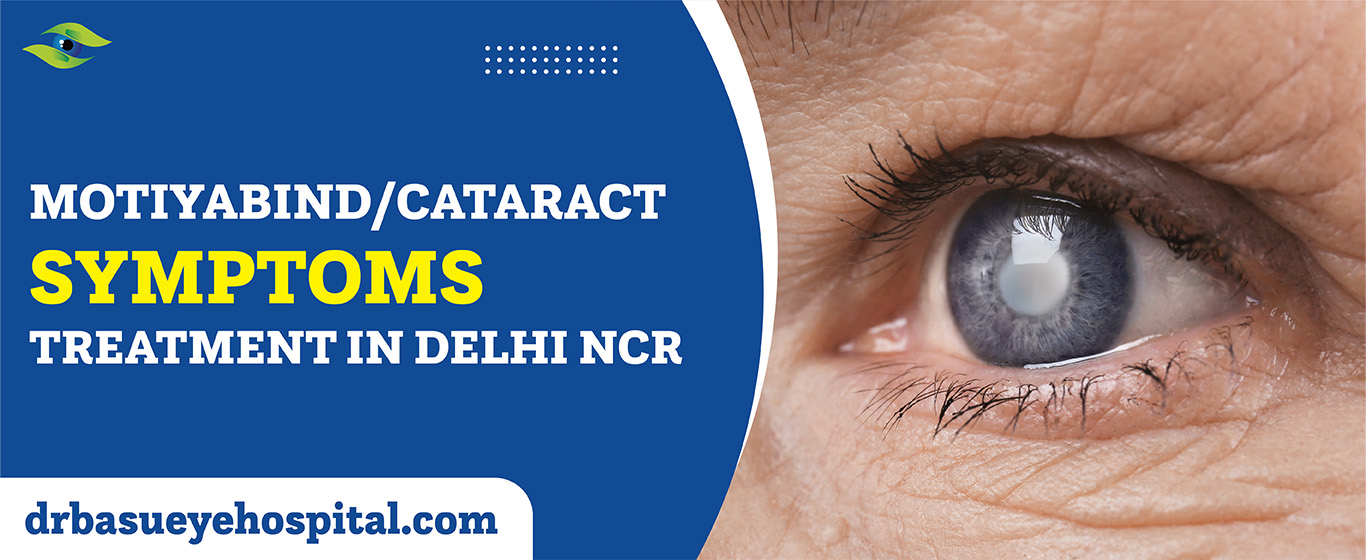
Cataract is a condition where the natural lens of the eye becomes cloudy due to the degeneration of lens proteins.
It is one of the leading causes of blindness worldwide, especially in older adults, though younger individuals may also develop cataracts.
In Ayurveda, cataract is associated with Timir Rog, a disease caused by an internal imbalance that affects vision clarity.
Can Cataract Be Treated Without Surgery in Ayurveda?
Ayurveda can treat cases of immature cataract; however, it must be in the early, immature stage. Ayurvedic treatment can:
- Slow further clouding of the lens
- Improve visual comfort and clarity
- Reduce glare and light sensitivity
- Delay or sometimes avoid the need for surgery
Ayurvedic cataract treatment works best when started early, before the cataract becomes fully mature.
How Ayurvedic Treatment Helps Slow Cataract Progression
At Dr. Basu Eye Care Centre, cataract management begins with identifying whether the cataract is immature or mature.
Ayurveda focuses on:
- Improves digestion and metabolism
- Removing toxins (Ama) from the body
- Nourishing eye tissues naturally
- Balancing body energies (Doshas)
This holistic approach helps strengthen the eyes from within.
Importance of Daily Routine for Eye Health
Daily Routine or Dinacharya means following a healthy daily routine.
According to Ayurveda:
- A poor routine weakens digestion and eye health.
- Regular eye care habits naturally protect vision.
Simple daily practices can improve your eye health & prevent early eye degeneration and strain.
Key Ayurvedic Practices for Eye Care
1. Netra Prakshalana (Herbal Eye Wash)
This involves gently washing the eyes with herbal liquids prepared from herbs like Amalaki or Lodhra.
Benefits:
- Soothes irritation and dryness
- Cleanses the eyes
- Balances Pitta dosha, which governs vision
2. Anjana (Ayurvedic Eye Application)
Anjana is the application of herbal collyrium to the eyes.
Benefits:
- Removes excess Kapha linked to cloudiness
- Nourishes eye tissues
- Reduces strain and heaviness
- Supports long-term eye clarity
3. Nasya (Nasal Therapy for Eye Health)
Nasya involves administering medicated oils through the nostrils.
According to Ayurveda:
- The nose is the gateway to the head and eyes.
- Nasya improves the circulation and nourishment of the sense organs.
Helps prevent degenerative eye conditions
Common Symptoms of Cataract
Recognizing cataract early is important. Early and Progressive Symptoms Include:
- Blurry or Foggy Vision – like seeing through dirty glass
- Difficulty Seeing at Night – poor vision in dim light
- Sensitivity to Light and Glare – discomfort in sunlight or headlights
- Faded or Yellowish Colours – reduced brightness of objects
- Double Vision in One Eye – double images
- Frequent changes in spectacle prescription – vision keeps changing often
- Halos around lights – circular rings seen around bulbs or headlights
Basic Preventive Principles of Eye Care in Ayurveda
Ayurveda states prevention as the foundation of eye health.
Classical recommendations include:
- Washing eyes with clean, cool water
- Avoiding excessive screen time
- Protecting eyes from dust, smoke, and pollution
- Ensuring proper sleep and mental calmness
- Regular use of Rasayana (rejuvenating) herbs
- Gentle eye exercises and Anjana use
Can Gut Health Affect Cataract Formation?
- Yes. Ayurveda strongly connects digestion and eye health.
- When digestion is weak:
- Undigested food waste (called Ama) accumulates
- Toxins circulate in the body
- Nourishment to the eyes reduces
- Over time, this internal weakness affects vision and contributes to cataract formation.
- In Ayurveda, this process is described in Timir Rog, where impaired digestion and declining vitality slowly damage eye tissues.
How Ayurveda Helps in Early and Moderate Cataract Stages
Cataract develops slowly over the years, not suddenly.
In Early (Immature) Cataract:
- Mild blurring and glare
- Ayurveda can significantly slow progression
- Many patients manage well for years without surgery
In Moderate Cataract:
- Daily activities become difficult
- Ayurveda may not remove the cataract
- But it can reduce discomfort and delay worsening
Ayurveda strengthens the body internally, slowing degeneration naturally.
Daily Diet and Lifestyle for Eye Care
Healthy habits support cataract management:
Diet Tips:
- Eat fresh fruits and green vegetables
- Avoid excess spicy, oily, and fried food
Helpful Foods:
- Amla (Indian gooseberry): A natural fruit rich in Vitamin C that helps keep eyes healthy
- Herbal ghee: Helps nourish and strengthen the eyes from within
- Turmeric: Supports overall eye protection and reduces eye damage
Lifestyle Tips:
- Wear protection and avoid direct exposure to bright sunlight
- Stay away from smoking as it harms eye health
- Keep blood sugar and blood pressure under control
- Take regular breaks from screens and do basic eye exercises
Ayurvedic Cataract Treatment at Dr. Basu Eye Care Centre
The treatment is planned according to the stage of the cataract and the patient’s eye condition.
Common Treatments Include:
- Netra Tarpana: A soothing treatment where medicated ghee is gently applied around the eyes to deeply nourish them
- Anjana: Application of herbal eye medicine to keep the eyes clean and healthy
- Aschyotana: Special herbal eye drops used to strengthen the eyes
- Seka: A calming therapy in which herbal liquids are slowly poured over the eyes
- Nasya: Nasal therapy that helps improve the health of the eyes and other sensory organs
These treatments help nourish the eyes and slow down the worsening of cataract, especially in its early stages.
Why Choose Dr. Basu Eye Care Centre?
- Specialized focus on Ayurvedic eye disorders
- Stage-wise cataract assessment
- Holistic, non-surgical approach for early cataracts
- Personalized treatment plans
Conclusion
Cataract does not develop overnight, and it does not always require immediate surgery.
When detected early, Ayurvedic treatment for cataract can slow its progression, support clearer vision, and improve overall eye health naturally.
At Dr. Basu Eye Care Centre, each patient is carefully evaluated, and treatment is planned according to the stage of cataract. With timely care, proper lifestyle changes, and Ayurvedic therapies, many people can preserve their vision and delay cataract complications for years.