
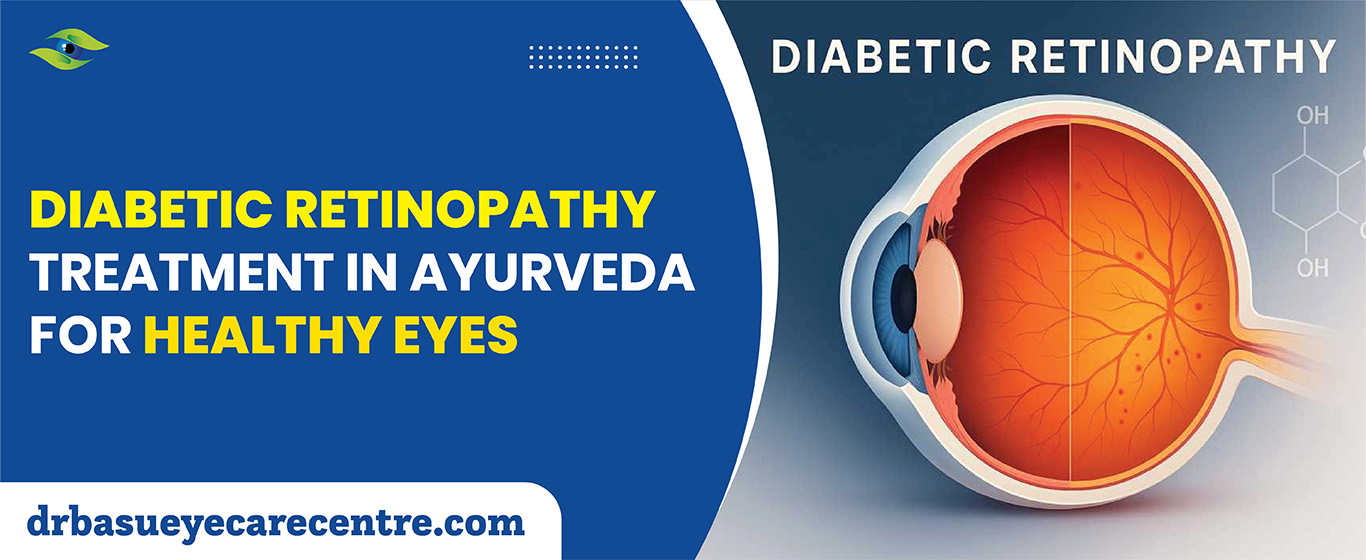
Diabetic retinopathy is an eye problem caused by diabetes that slowly damages the tiny blood vessels in the retina (the part of the eye that helps you see). It usually develops over time when blood sugar levels remain high for prolonged periods. Other health issues linked to diabetes—like high blood pressure, high cholesterol, and kidney problems—can make it worse. However, under the expert & experienced guidance of an ayurvedic doctor at Dr Basu Eye Care, you can definitely expect the best diabetic retinopathy treatment in Ayurveda.
Almost everyone with Type 1 diabetes may develop this condition after about 15 years. In people with Type 2 diabetes, the risk increases the longer they have diabetes, especially if they also have high blood pressure or smoke.
People with diabetes are 20–25 times more likely to lose their vision compared to those without diabetes. In fact, diabetic retinopathy is one of the leading causes of blindness among working-age adults (below 55 years), especially in developed and industrialised areas.
How Does Diabetic Retinopathy Happen?
Diabetic retinopathy develops when high blood sugar slowly damages the tiny blood vessels in the eyes. These blood vessels are important because they keep your eyes healthy and let you see clearly.
First, the blood vessels become weak and may leak fluid or blood, causing the vision to turn blurry. Later, some vessels can get blocked, so parts of the eye don’t get enough oxygen. To fix this, the eye tries to grow new blood vessels. But these new vessels are fragile and can bleed easily, which can lead to more serious problems like swelling, retina pulling away (retinal detachment), or increased eye pressure (glaucoma).
Types of Diabetic Retinopathy
Diabetic retinopathy is an eye condition caused by diabetes that mainly affects the retina’s blood vessels. There are three main types:
- Non-Proliferative Diabetic Retinopathy (NPDR) – This is the early stage. The tiny blood vessels in the retina weaken and may begin to leak, leading to swelling or small spots of bleeding in the eye.
- Diabetic Macular Edema (DME) – This happens when fluid builds up in the macula, the part of the retina that gives us sharp, clear vision. DME can cause your vision to become blurry or wavy, and it can occur at any stage of diabetic retinopathy.
- Proliferative diabetic retinopathy (PDR) is the advanced stage. In this type some blood vessels in the retina get blocked, so the retina doesn’t get enough oxygen. The eye then tries to grow new blood vessels, but these are fragile and can bleed easily. PDR can also lead to serious problems, like:
- Neovascular glaucoma – increased eye pressure because new blood vessels grow in the coloured part of the eye.
Retinal detachment – the retina pulls away from the back of the eye, which can cause vision loss or blindness.
How can diabetic retinopathy be treated in Ayurveda?
1. Analyzing the dosha
Diabetic retinopathy treatment in Ayurveda should be selected after analysing dosha–dushya dushti. Before starting treatment, the doctor assesses which dosha (Vata, Pitta, Kapha) is disturbed, which body tissues (dushya) are affected, and how severe the imbalance is. Therefore, it means that it is personalised and not the same for everyone.
2. Avarana Vata Chikitsa
Due to diabetes (Prameha), Kapha and Pitta increase, and these doshas block Vata’s normal movement. “Avarana” means blockage, and “Vata” is responsible for movement in the body. In such a condition, Vata becomes blocked by other doshas or impurities. The Ayurveda treatment focuses on removing this blockage so that normal circulation and nerve function can improve.
3. Vatanulomana Oushadhas in Pitta Sthana (Vata-based Medicine)
Ayurvedic medicines for diabetic retinopathy include vatanulomana oushadhas, which normalise the flow of Vata dosha in areas of the body where Pitta is dominant (such as the eyes) without increasing heat or inflammation.
4. Tridosha Timira Chikitsa (Tridosha Eye Treatment)
“Sannipataja” refers to the involvement of all three doshas—Vata, Pitta, and Kapha—while “Timira” denotes the early stage of vision problems. In this condition, all the doshas become imbalanced and begin to affect the eyesight. Therefore, treatment is initiated early to control the imbalance and prevent further progression of the disease.
5. Control Prameha (Diabetes)
“Prameha” refers to diabetes and its related metabolic disorders. Since diabetic eye disease is linked to high blood sugar, it is essential to control blood sugar levels because, without controlling diabetes, eye treatment won’t be effective.
6. Chakshu Vishesha Chikitsa (Eye-Specific Therapies)
Anjana, Tarpana, and other cooling and strengthening procedures are important Ayurvedic eye therapies that work together to maintain and improve eye health. Anjana involves the use of medicated eye applications, similar to eye drops, which help cleanse the eyes. Tarpana is a specialised nourishment therapy in which medicated ghee is retained over the eyes for a specific duration, helping deeply nourish eye tissues, reduce dryness and strain, and strengthen vision—much like a deep-nutrition therapy for the eyes. Along with these, cooling and strengthening procedures use herbal washes, ghee-based formulations, and relaxing therapies to reduce heat and irritation, calm Pitta-related inflammation, and enhance overall eye strength and comfort. Together, these treatments soothe, protect, and naturally support better vision.
7. Rasa-Raktavaha Sroto Dushti Chikitsa
This Ayurvedic treatment works by cleaning and balancing the pathways in your body that carry blood and nutrients. When these channels are blocked or the blood is not healthy, your eyes and body don’t get the nourishment they need, which can lead to problems or diseases. This therapy helps make your blood healthy and improves nutrient supply, keeps blood flowing well in the eyes, and protects them from damage. Simply put, it clears
Diet for Diabetic Retinopathy
Eat a healthy diet that is low in sugar, processed carbs, and bad fats and high in fibre, protein, and antioxidants.
Add bitter, astringent, and spicy foods like bitter gourd, fenugreek, turmeric, ginger, garlic, and black pepper to your diet. They can help lower blood sugar and ease eye irritation.
Don’t eat sweet, sour, or salty foods such as refined flour, rice, sugar, honey, milk, yoghurt, cheese, or pickles. These foods make blood sugar levels go up and throw off the body’s balance.
Eat fruits and vegetables that are high in vitamins, like amla, oranges, lemons, carrots, spinach, and broccoli. They are healthy for your eyes and your immune system.
Drink a lot of water and herbal teas, like green tea, chamomile tea, and cinnamon tea. They help flush out toxins and keep your eyes moist.
Lifestyle for Diabetic retinopathy
- Walking, biking, and swimming are all good forms of exercise that can help you control your blood sugar, burn calories, and lower your blood pressure.
- Yoga movements like Suryanamaskar, Trikonasana, Ardha Matsyendrasana, and Savasana help stretch and relax muscles, wake up organs, and get blood flowing.
- Meditation and pranayama, such as anulom vilom, bhramari, and ujjayi, relax the mind, lower stress, and help you focus.
- Don’t smoke, drink too much alcohol, caffeine, or drugs. These behaviours might hurt your blood vessels and nerves and raise your chance of eye problems.
Conclusion
Diabetic retinopathy can be managed and prevented with proper blood sugar control and a healthy lifestyle. Early care, diet, and personalised treatments at Dr Basu Eye Care Centre can help protect and strengthen your vision naturally.
You Can Also Read For More Posts
What does 6/6 and 6/9 Vision Means: Causes, Symptoms & Treatment Options
Motiyabind/Cataract – Symptoms, Treatment in Delhi NCR
To Know More, Talk to our Consultant. Dial +91-8235808080


