
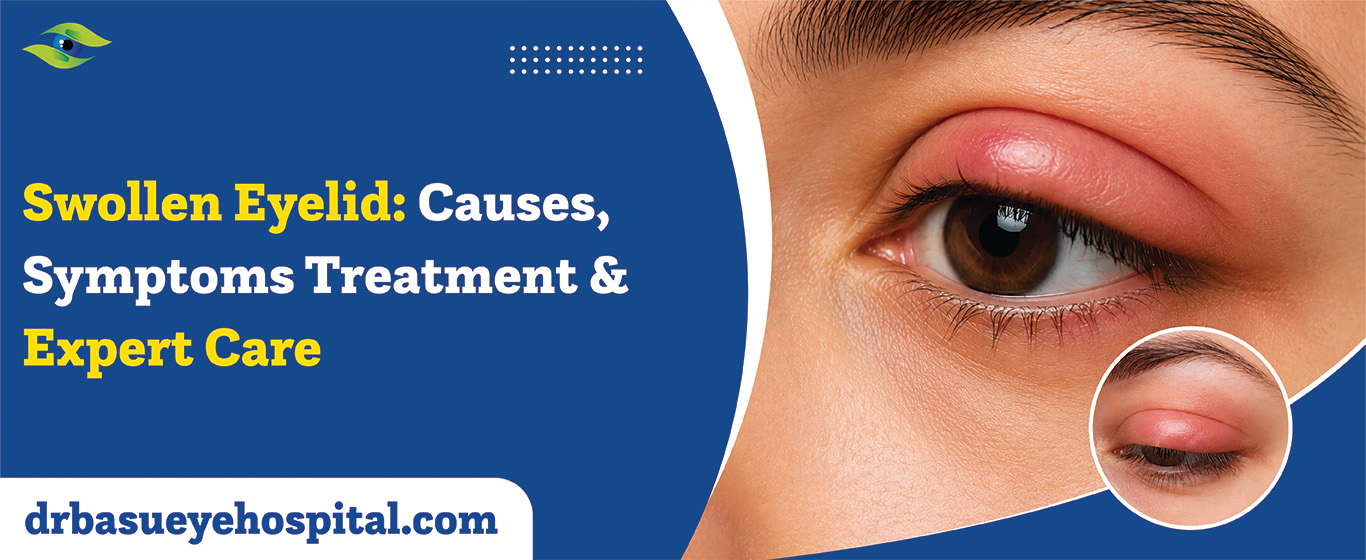
A swollen eyelid is one of those small problems that can make a big difference to your day. The skin around the eyes is thin and delicate, so even a little fluid buildup or inflammation shows up quickly as puffiness, heaviness, or tightness. While it usually isn’t serious, understanding why it happens — and how Ayurveda approaches it — can help you find safe swollen eyelid treatment and know when it’s time to see a doctor.
What Causes a Swollen Eyelid?
Fluid or cells that cause inflammation may build up in the tissue around the eye, causing the eyelids to enlarge. Common culprits include: One of the most common reasons for puffy eyelids is allergies. Reactions to pollen, dust, pet dander, cosmetics, or contact lens solutions can all induce allergies.
Styes and chalazia – a stye is a painful, infected lump at the base of an eyelash. A chalazion is a blocked oil gland that results in a stiffer, generally painless, swelling.
Conjunctivitis (pink eye), a viral or bacterial infection of the conjunctiva, usually occurs with redness, discharge and lid swelling.
Blepharitis – A chronic inflammation of the eyelid border, commonly associated with clogged oil glands or a skin disorder such as rosacea.
Lifestyle factors – poor sleep, high salt, alcohol, and long hours of screen time can all result in minor temporary puffiness.
Persistent swelling requires medical assessment and may be caused by underlying diseases, such as thyroid eye disease, kidney or heart problems, and orbital infections.
If you’re looking for how to reduce eyelid swelling fast, consider mild cases in terms of figuring out how to reduce swelling of eyelids fast. But if the swelling does not improve in 24 to 48 hours, or if it is accompanied by fever, changes in vision, significant pain or bulging of the eye, it is vital to seek medical assistance immediately.
The Ayurvedic View of Swollen Eyelids
In Ayurveda, ocular ailments are classified as Netra Roga. Ailments of the eyelids are especially termed ‘Vartmagata Roga’ (diseases of the eyelids). In general, a swollen eyelid is considered a type of Shotha (localised swelling/inflammation) which is mostly related to irritated Kapha and Pitta doshas, sometimes with a Rakta (blood tissue) component involved when there is redness, heat or infection. The classical scriptures have mentioned conditions like Vartmabandha (swollen eyelid due to which the eye cannot be completely closed) and Anjananamika (swelling like a stye) and the therapeutic procedures. That is why nutrition and lifestyle and constitution are all factors in the treatment plan. In the Ayurvedic method of treatment, not only is the local swelling treated, but also the doshic imbalance behind it is searched.
Ayurvedic Treatment Approaches
Ayurveda provides a complete and natural treatment for swollen eyelid issues. The treatment addresses both the local swelling and the deeper doshic imbalance that is the root cause. A lot of people look for the best treatment for swollen eyelid problems and find that Ayurvedic treatments work nicely together with conventional care.
- Shotha Chikitsa (anti-inflammatory Therapy)
A swollen eyelid is deemed a ‘Shotha’, and hence the general anti-inflammatory protocols of Ayurveda are applied – cooling and Kapha-Pitta-pacifying medicines and therapies that try to reduce local fluid collection.
- Triphala Eye Wash (Ashchyotana)
Triphala, when boiled and then cooled, is often used as an eye wash to ease irritation, reduce redness and calm inflammation of the lids and conjunctiva. This is one of the most trusted swollen eyelid remedies in traditional therapy for being gentle but effective.
- Netra Tarpana (Ghee Eye Bath)
A rejuvenating procedure where medicinal ghee is pooled around the eyes using a dough ring, allowing it to absorb into the eye tissue. This is the traditional remedy to pacify Pitta and nourish the eye area after acute swelling has subsided. This will provide long-term swollen eyelid relief for those with recurring puffiness.
- Local Applications
Many ayurvedic practitioners see turmeric as a simple, efficient remedy for swollen eyelids and commonly apply turmeric paste around the eyelid, not inside, for its anti-inflammatory properties. Warm or cold compresses depending on whether the reason is more Kapha (cold, congested) or Pitta (hot, inflammatory) in quality.
- Kriyakalpas (Specialised Eye Procedures)
In Ayurvedic ophthalmology (Shalakya Tantra), specialised local treatments like Bidalaka (application of medicinal paste) and Ashchyotana (eye drops/wash) are utilised for disorders such as styes (Anjananamika), depending on the stage and degree of swelling. Often these formulas are used as a targeted swollen eyelid treatment when a simple compress just won’t do.
- Nutritional and Lifestyle Recommendations
- Avoid spicy, oily and fried foods, which worsen Pitta.
- Including. Cooling and detoxifying meals like coriander and aloe vera juice.
- Adequate sleep and hydration, as Ayurveda ties eye health closely to overall physical balance.
- Panchakarma Support
In chronic or recurring cases, mild detoxification therapies may be recommended to correct the deeper doshic imbalance driving repeated eyelid inflammation.
When is medical help needed from an Ayurvedic eye expert?
Ayurvedic eye therapies like Netra Tarpana and medicated eye washes should only be done under the guidance of a qualified Ayurvedic practitioner, especially anything involving direct application near or in the eye. If a swollen eyelid is painful, worsening, or associated with vision changes, fever, or spreading redness, it’s important to get it evaluated by an eye doctor promptly — infections around the eye can escalate quickly and need timely medical treatment alongside any Ayurvedic support.
Conclusion
A swollen eyelid can be caused by something as simple as a bad night’s sleep or as complicated as a chronic Kapha-Pitta imbalance. Ayurveda provides a holistic tool kit — from soothing eye washes and ghee therapies to dietary correction — that works alongside, not instead of, conventional medical care when necessary. Knowing both sides gives you the best chance at fast relief and eye health in the long run.


