The connection between your gut and your eyes may be more profound than modern medicine currently acknowledges—but Ayurvedic treatment for glaucoma in Ayurvedic scriptures has known this for thousands of years. Most of the time, glaucoma is an eye disease that starts and finishes in the eye.
High pressure in the eye, optic nerve injury, and progressive loss of vision. It all sounds pretty local. But if you ask an Ayurvedic doctor, they’ll tell you something that may surprise you: The origin of glaucoma is often not in your eyes but in your digestive system. This isn’t mysticism. It is a system of holistic medicine that has been improving its understanding of the human body for over 5,000 years.
What is glaucoma, and why is it hard to detect it in early stages?
Glaucoma is a group of eye conditions that damage the optic nerve, typically caused by elevated pressure inside the eye (intraocular pressure or IOP). It is one of the leading causes of irreversible blindness worldwide. Conventional medicine manages it primarily through eye drops, laser therapy, or surgery—all focused on reducing eye pressure locally.
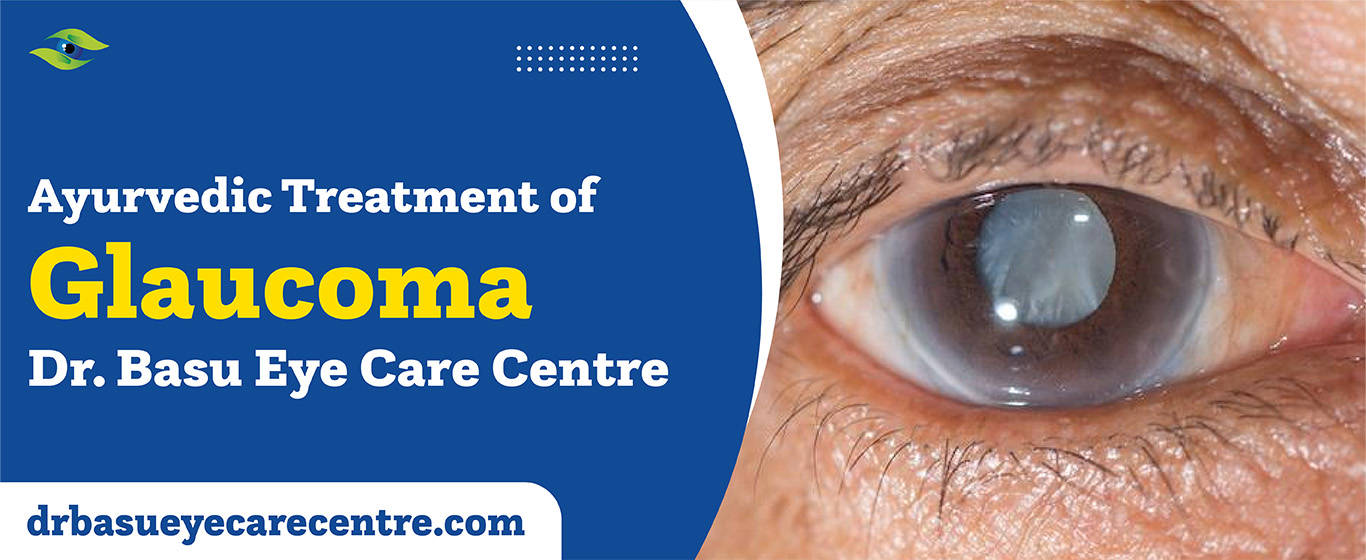
It might be difficult to recognize the early stages of glaucoma in your 40s, as the condition frequently progresses gradually without clear symptoms. Many people question what glaucoma looks like in the early stages, and the answer is it may not “look” like anything—vision may seem normal while progressive damage is beginning to the optic nerve. Cataracts make your eyesight cloudy or blurry. It is very important to differentiate symptoms of cataracts from those of glaucoma. Cataracts normally make things less clear and less bright. Glaucoma usually first affects vision at the sides, steadily limiting your field of vision. That is why it is important to get frequent eye check-ups, as early detection is the only way to avoid long-term vision loss.
The Ayurvedic View: Glaucoma as a Systemic Condition
In Ayurveda, glaucoma is understood through the concept of Adhimantha—a condition caused by the aggravation of Vata and Pitta doshas, often compounded by Kapha imbalance. This tridoshic disturbance doesn’t arise in isolation. According to classical Ayurvedic texts, it is frequently rooted in a compromised digestive fire, known as Agni.
When Agni is weak or irregular, the body fails to properly digest and assimilate food. This leads to the accumulation of ama—a toxic, unprocessed residue that circulates through the body’s channels (srotamsi) and eventually obstructs the subtle channels supplying the eyes. The result? Stagnation, pressure, and degeneration are the hallmarks of glaucoma.
How Poor Digestion Creates the Conditions for Glaucoma
In Ayurveda, the gut-eye relationship is not symbolic. Here’s how problems with digestion can snowball into eye disease: Constipation and straining increase intra-abdominal pressure that can indirectly increase intraocular pressure, a link that even some recent research has started to recognize. The optic nerve is part of Majja Dhatu (nerve tissue), which becomes affected by poor fat digestion. An optic nerve poorly nourished is more susceptible to damage by pressure. Vata, which controls the neurological system, is aggravated by irregular eating patterns. Ayurvedic diagnosis considers optic nerve degeneration to be predominantly a Vata imbalance. Excess pitta from spicy, acidic, or fermented meals increases inflammation and heat in the body, which contributes to the inflammatory component of glaucomatous damage.
The Ayurvedic Treatment of Glaucoma: Healing from the Inside Out
The Ayurvedic treatment of glaucoma is not a one-size-fits-all protocol. It is deeply personalized, addressing the individual’s dosha constitution (Prakriti), current imbalance (Vikriti), digestive strength, and lifestyle. However, several classical approaches are consistently used:
- Deepana-Pachana (Kindling Digestive Fire): The first step is always to restore Agni. Herbs such as Trikatu (a combination of ginger, black pepper, and long pepper) and chitrak are utilized to help digestion and remove ama from the system.
- Virechana (Therapeutic Purgation): Virechana is one of the five Panchakarma therapies and is especially indicated in Pitta-dominating glaucoma. It cleanses the liver and intestines of toxins, reduces systemic inflammation, and, hence, lowers ocular pressure.
- Nasya (Nasal Administration of Medicated Oils): Medicated oils like Anu Taila or Shadbindu Taila taken through the nostrils nourish the cranial nerves, including the optic nerve, and aid in reducing the pressure in the head and eye region.
- Netra Tarpana (Eye Nourishment) An Ayurvedic trademark therapy in which medicinal ghee is poured around the eyes with the help of a ring of dough. It supplies directly to the ocular tissues, relieving dryness and pressure. Triphala ghrita is a regularly used one.
- Dietary Reform: Patients are advised to favor warm, cooked, easily digestible foods; avoid late-night eating; and eliminate processed, fried, or excessively spicy foods. Regular meal timings are considered non-negotiable in restoring Agni.
- Herbal Formulations: Herbs such as Triphala, Saptamrita Lauh, Punarnava, and Amalaki are widely used in the Ayurvedic treatment of glaucoma for their antioxidant, anti-inflammatory, and nerve-nourishing properties.
Along with an ophthalmologist, what more do you need?
A message for those seeking integrative care: Ayurveda does not ask you to abandon your ophthalmologist. It does, however, give a different perspective—one that takes your bowel habits, your diet, your stress levels, and your dosha balance into account as part of the same puzzle. Many patients receiving the Ayurvedic treatment of glaucoma say that not only is their eye pressure stabilised, but their digestion is better, their sleep is better and their anxiety is lessened—because the treatment works on the complete person, not just on the eye
Conclusion
If you or someone you love is living with glaucoma, it’s important to look beyond just lowering eye pressure and understand what is causing it in the body. Sometimes the real issue isn’t only in the eyes but also deeper within. The gut may play a bigger role than we realize, and improving overall health could help support better eye health too.
Reference
Can Diet Affect Glaucoma?
https://pmc.ncbi.nlm.nih.gov/articles/PMC5997592/
https://www.aao.org/eyenet/article/the-gut-and-the-eye
Ayurvedic treatment of glaucoma focuses on managing the condition rather than offering an instant cure. It works by improving digestion, reducing toxins (ama), balancing doshas, and supporting optic nerve health. When combined with regular monitoring by an eye specialist, it can help slow progression and improve overall eye health.
According to Ayurveda, poor digestion (weak Agni) leads to toxin buildup in the body. These toxins can block the channels supplying the eyes, increasing pressure and damaging the optic nerve. That’s why improving gut health is a key part of Ayurvedic treatment of glaucoma.
The Ayurvedic treatment of glaucoma may include therapies like Virechana (detox), Nasya (medicated nasal oils), and Netra Tarpana (eye nourishment with medicated ghee). Along with this, herbal formulations and dietary changes are recommended to support long-term eye and nerve health.
Yes, Ayurvedic treatment of glaucoma is often used alongside modern treatments like eye drops or surgery. It does not replace your ophthalmologist but complements it by addressing root causes like digestion, stress, and lifestyle, giving a more holistic approach to managing the condition